What is NAD+?
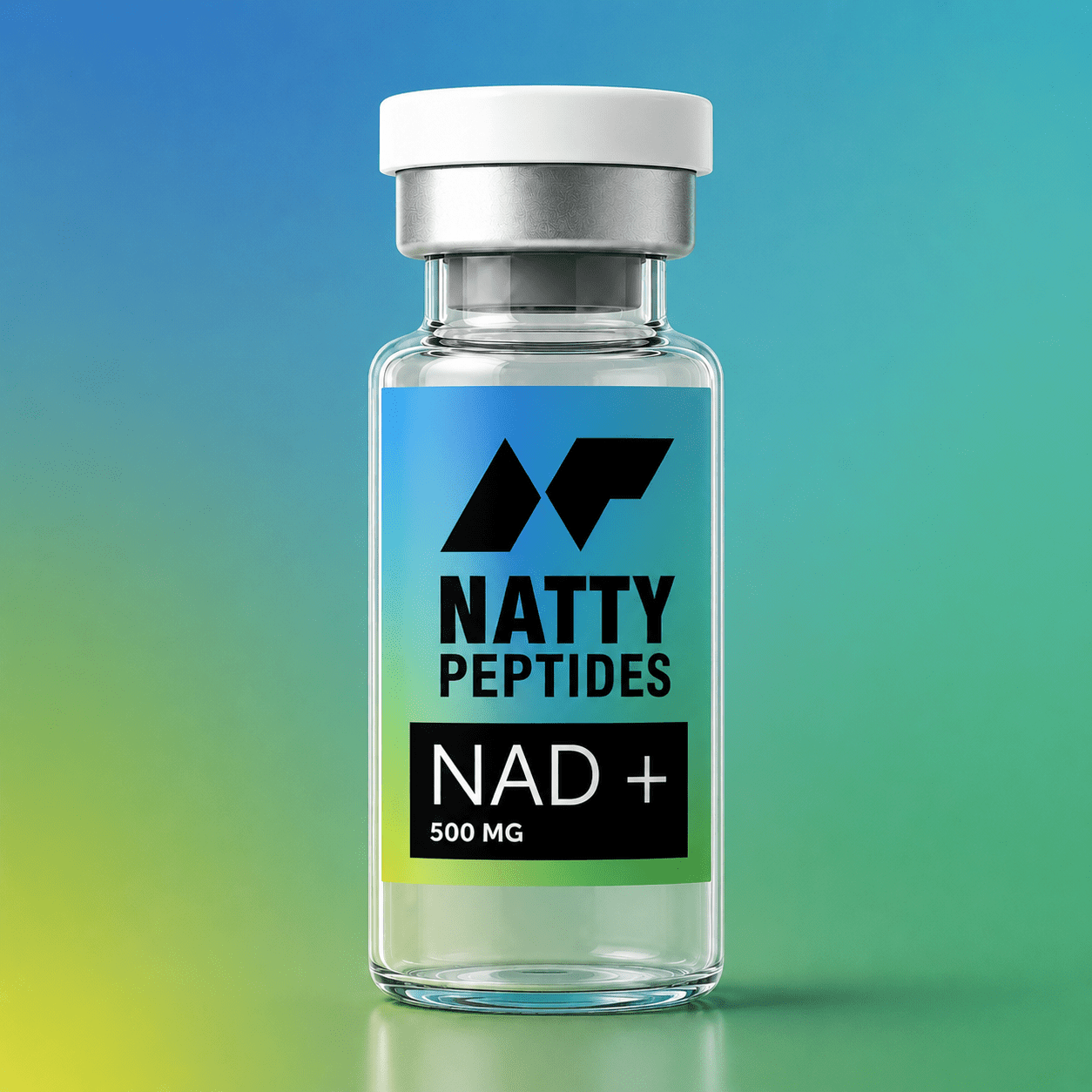
Nicotinamide Adenine Dinucleotide (NAD+) is a naturally occurring coenzyme found in every cell of the human body. It serves as a critical player in two of the most fundamental biological processes:
-
Cellular Energy Production: NAD+ is essential for the electron transport chain in mitochondria, where it helps convert food into adenosine triphosphate (ATP)—the energy currency of cells
-
DNA Repair and Maintenance: NAD+ serves as a substrate for enzymes like PARPs (poly-ADP-ribose polymerases) and sirtuins, which are involved in DNA damage repair and genomic stability
Without adequate NAD+, cells cannot efficiently produce energy, repair damage, or maintain healthy function. This is why NAD+ has become one of the most studied molecules in cellular health and longevity research .
Why NAD+ Levels Decline
NAD+ levels naturally decline with age, a phenomenon that has been well-documented in scientific literature. By middle age, NAD+ levels can drop to approximately half of what they were in youth .
Several factors contribute to this decline:
-
Age-related enzymatic changes – Reduced biosynthesis with aging
-
Increased consumption – DNA damage, inflammation, and oxidative stress consume NAD+
-
Lifestyle factors – Poor diet, alcohol consumption, and chronic stress deplete NAD+
-
Metabolic demands – High-energy tissues like brain, heart, and muscle consume NAD+ rapidly
This age-related decline in NAD+ has been linked to reduced mitochondrial function, impaired cellular repair, and the metabolic changes associated with aging .
Key Benefits of NAD+ Supplementation
Based on current scientific research, NAD+ supplementation supports:
1. Cellular Energy & Mitochondrial Function
NAD+ is a fundamental coenzyme in cellular respiration. It facilitates the transfer of electrons in the mitochondria, driving ATP synthesis. Supplementing with NAD+ supports mitochondrial health and efficient energy production at the cellular level .
2. DNA Repair & Genomic Stability
NAD+ is a required substrate for PARP enzymes, which detect and repair DNA damage. Maintaining healthy NAD+ levels supports the body’s natural DNA repair mechanisms, helping preserve genomic integrity .
3. Sirtuin Activation
Sirtuins are a family of proteins that regulate cellular health, inflammation, and longevity. They depend on NAD+ as a cofactor. Higher NAD+ availability activates sirtuins, which are involved in stress resistance, inflammation modulation, and metabolic regulation .
4. Metabolic Health
NAD+ plays a critical role in glucose metabolism, fatty acid oxidation, and insulin sensitivity. Research has explored NAD+ supplementation for supporting healthy blood sugar regulation and metabolic flexibility .
5. Neuroprotection
NAD+ supports neuronal health through multiple pathways—energy production, DNA repair, and reduction of oxidative stress. This has made NAD+ a focus of research in neurodegenerative conditions .