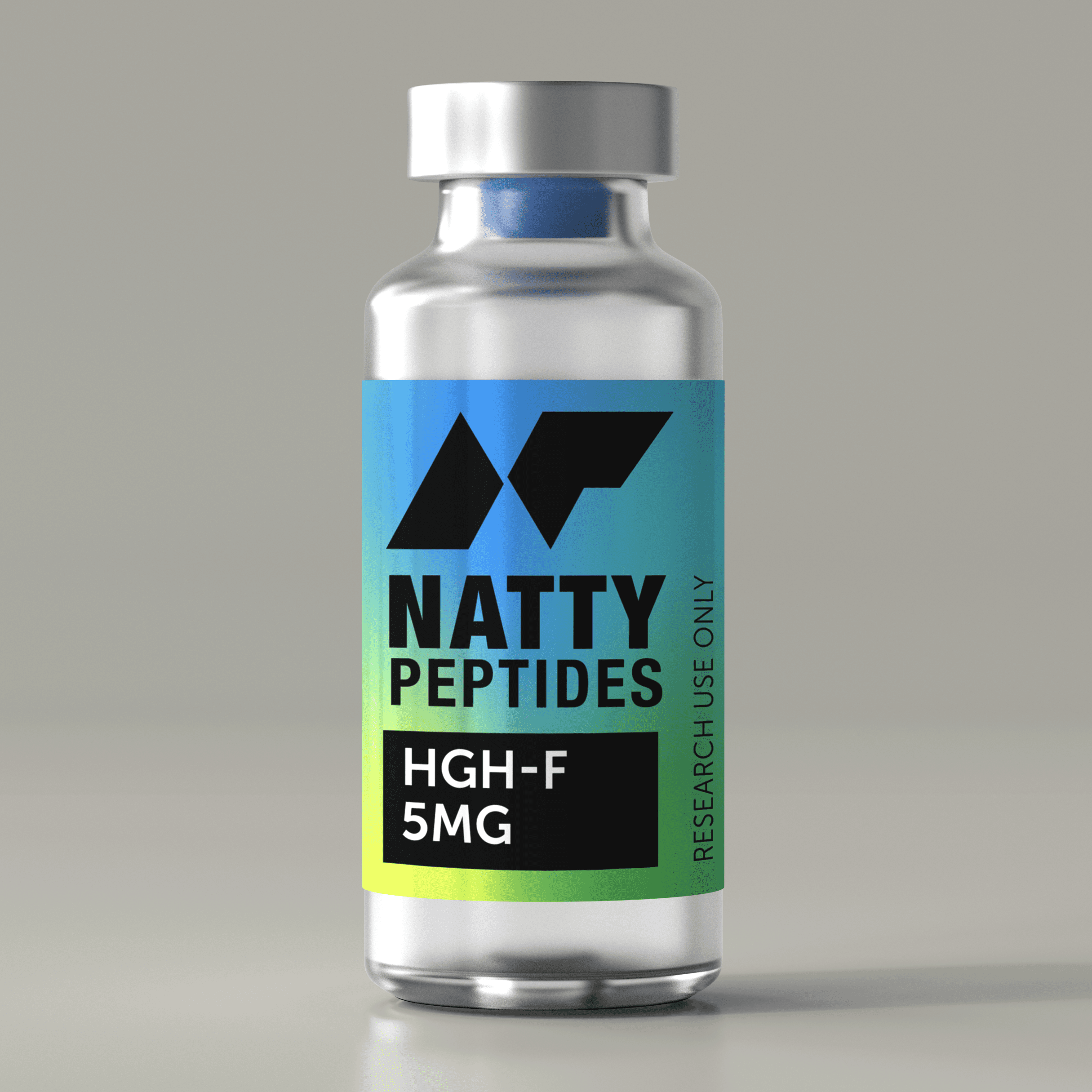
What is HGH Fragment 176-191?
Think of HGH Fragment 176-191 as a specific, trimmed-down piece of the human growth hormone (HGH). It’s like taking the key that unlocks fat burning from a much larger, complex keychain. This fragment consists of the last 16 amino acids of the natural HGH protein and is researched for its targeted metabolic effects.
The Main Benefits Researchers Look At:
-
Targeted Fat Metabolism: This is the primary research focus. Unlike full HGH, the fragment is studied for its ability to specifically promote the breakdown of stored fat (a process called lipolysis) without strongly influencing growth or blood sugar. It’s believed to mimic the way the body naturally signals fat cells to release energy.
-
Reducing Stubborn Fat: Studies examine its potential effects on visceral fat (deep belly fat) and subcutaneous adipose tissue, which can be resistant to diet and exercise.
-
Improved Metabolic Markers: Research investigates if it can support healthier ratios of body fat to lean mass and improve how the body processes fats and sugars.
-
Appetite Regulation: Some research explores its potential role in moderating appetite, possibly by influencing metabolic signals related to satiety.
How Researchers Might Use It (Subcutaneous Injection with Bac Water):
HGH Fragment 176-191 is almost exclusively studied via subcutaneous injection after reconstitution with bacteriostatic water (bac water).
Here’s a simple step-by-step of how a study might be set up:
-
Mixing: The researcher takes a vial of the lyophilized (freeze-dried) peptide powder and injects a precise amount of sterile bac water into it. They swirl or roll the vial gently until the powder is completely dissolved, creating a clear solution. It is typically mixed to a common research concentration.
-
Injecting: Using a small insulin syringe, a measured dose of the solution is injected just under the skin into the subcutaneous fat layer, often in the abdominal area or near other fatty tissue sites. This method uses a very short, fine needle.
Why This Method?
-
Direct Delivery to Target Tissue: Injecting into the fat layer places the peptide in direct contact with adipose (fat) tissue. This local delivery allows researchers to study localized effects and systemic metabolic changes.
-
Avoids Digestion: Like other peptides, it would be broken down in the stomach if taken orally. Injection ensures the full, active sequence enters the body intact.
-
Mimics Natural Pulsing: Subcutaneous injection provides a slow, steady release into the bloodstream. This can mimic the body’s natural pulsatile release of hormones and is ideal for studying metabolic processes that operate over hours.
-
Safety & Precision in Research: This route allows for precise dosing and avoids the more potent and broad systemic effects associated with researching full synthetic growth hormone.
The Goal of the Research:
The primary aim is to understand this fragment’s specific role in fat metabolism. Researchers use this method to carefully track changes in body composition (fat loss vs. muscle preservation), monitor blood markers like lipids and glucose, and observe the mobilization of fatty acids. The goal is not bulk growth, but to isolate and understand a single, targeted function of the larger HGH molecule—its ability to signal the body to burn stored fat for fuel.
In simple terms: By mixing HGH Fragment 176-191 with bac water and using a simple under-the-skin injection, researchers have a direct and controlled way to study whether this “fat-burning key” can effectively and selectively signal the body to break down stubborn fat stores without triggering other growth-related effects.
HGH Fragment 176-191 is a specialized section of the human growth hormone molecule, specifically engineered to target fat metabolism. Unlike full HGH, this fragment does not significantly affect growth pathways or blood sugar, focusing instead on lipolysis and body composition. Studies show it promotes fat breakdown and energy release, making it a powerful model for metabolic research. Researchers value HGH Fragment 176-191 for its ability to separate the fat-burning effects of HGH from its growth functions, offering precision in fat loss studies.