Why Choose HGH Fragment 176-191?
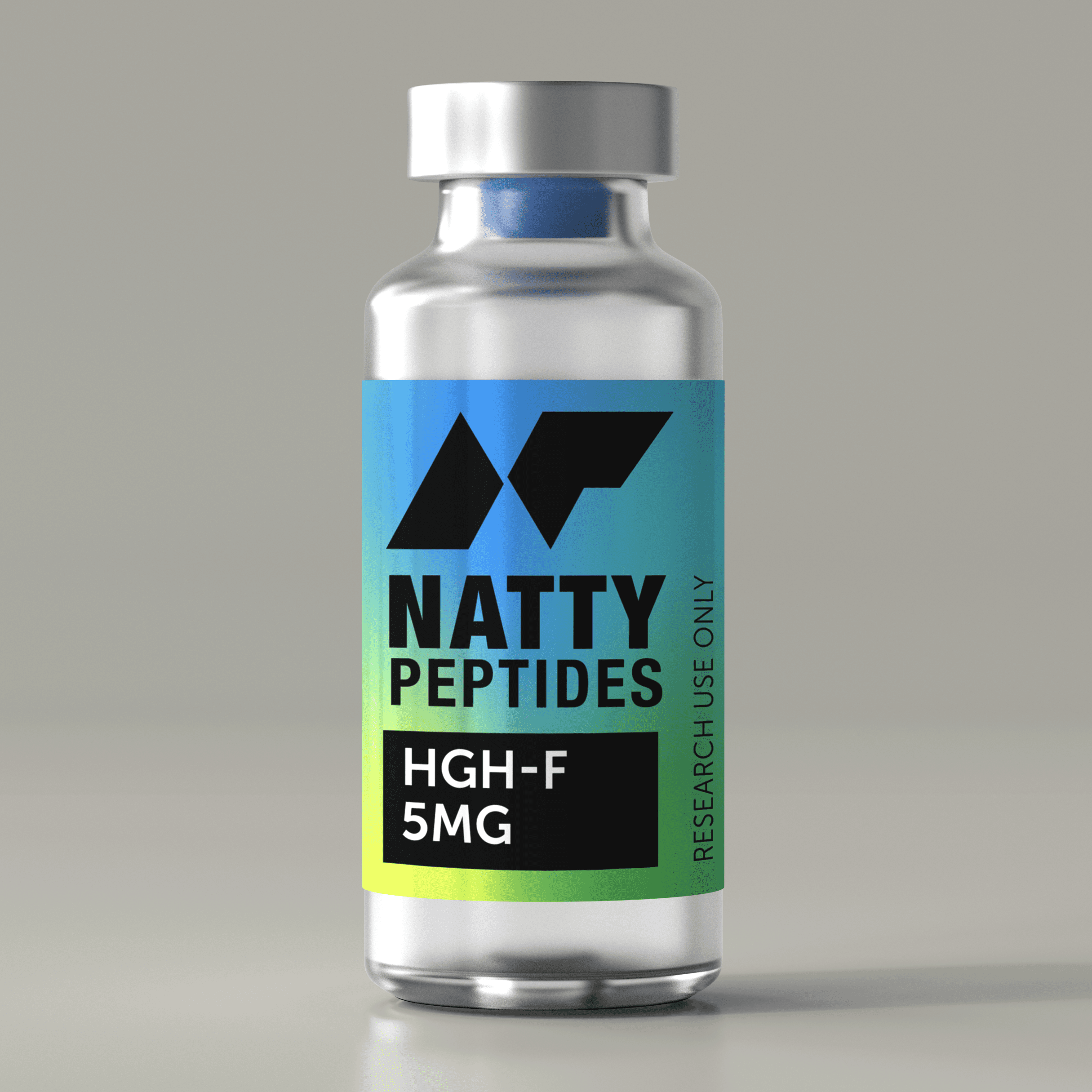
HGH Fragment 176-191, also known as AOD-9604, is a synthetic peptide derived from the C-terminal region of the human growth hormone (HGH) molecule . This 16-amino-acid fragment was developed to isolate and study the fat-metabolizing properties of HGH without its broader systemic effects. The peptide was originally developed by researchers at Monash University and subsequently by Metabolic Pharmaceuticals in Australia for clinical research . Understanding its distinct origins and mechanisms provides important context for researchers.
The History & Origins
HGH Fragment 176-191 corresponds to the last 16 amino acids of the 191-amino-acid human growth hormone polypeptide . Its development was driven by a key research finding: the fat-reducing effects of growth hormone appear to be controlled by a small region near one end of the molecule—specifically, amino acids 176-191. This region constitutes less than 10% of the total GH molecule and appears to have no effect on growth or insulin resistance .
The peptide has been assigned the CAS number 221231-10-3 and has been included in the NIH’s MeSH (Medical Subject Headings) database since 1982 . It is officially listed in drug databases with the primary name AOD-9604, with synonyms including HGH fragment 176-191 and human growth hormone (176-191) .
How They Work: Distinct Mechanisms
HGH Fragment 176-191 operates through mechanisms that distinguish it from full-length growth hormone, making it a unique tool for metabolic and cellular research.
Lipid Metabolism Research Mechanisms
-
Stimulates lipolysis — promotes the breakdown of stored fat (adipose tissue) into free fatty acids for energy utilization
-
Inhibits lipogenesis — suppresses the transformation of non-fat food materials into body fat
-
Selective action — unlike full-length HGH, which has wide-ranging effects on growth, blood sugar, and insulin-like growth factor-1 (IGF-1), this fragment is designed to focus specifically on adipose tissue
-
No GH receptor activation — the peptide does not compete with HGH receptors and does not cause hyperglycemia, distinguishing it from full-length HGH treatments
-
No effect on IGF-1 levels — research has shown that HGH fragment 176-191 does not stimulate IGF-1 or GH signaling pathways like full growth hormone
Receptor Binding Research Mechanisms
-
Estrogen receptor binding — the peptide demonstrates high-affinity binding to estrogen receptors, suggesting potential applications in hormone-related research
-
Ki-67 and MiB protein affinity — binds with high affinity to Ki-67 and MiB proteins, which are markers associated with cellular proliferation