View BPC-157 Certificate of Analysis
Why Choose BPC-157?
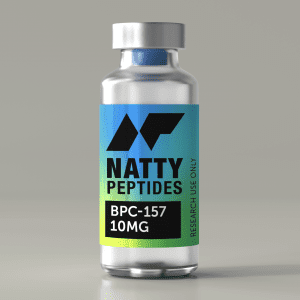
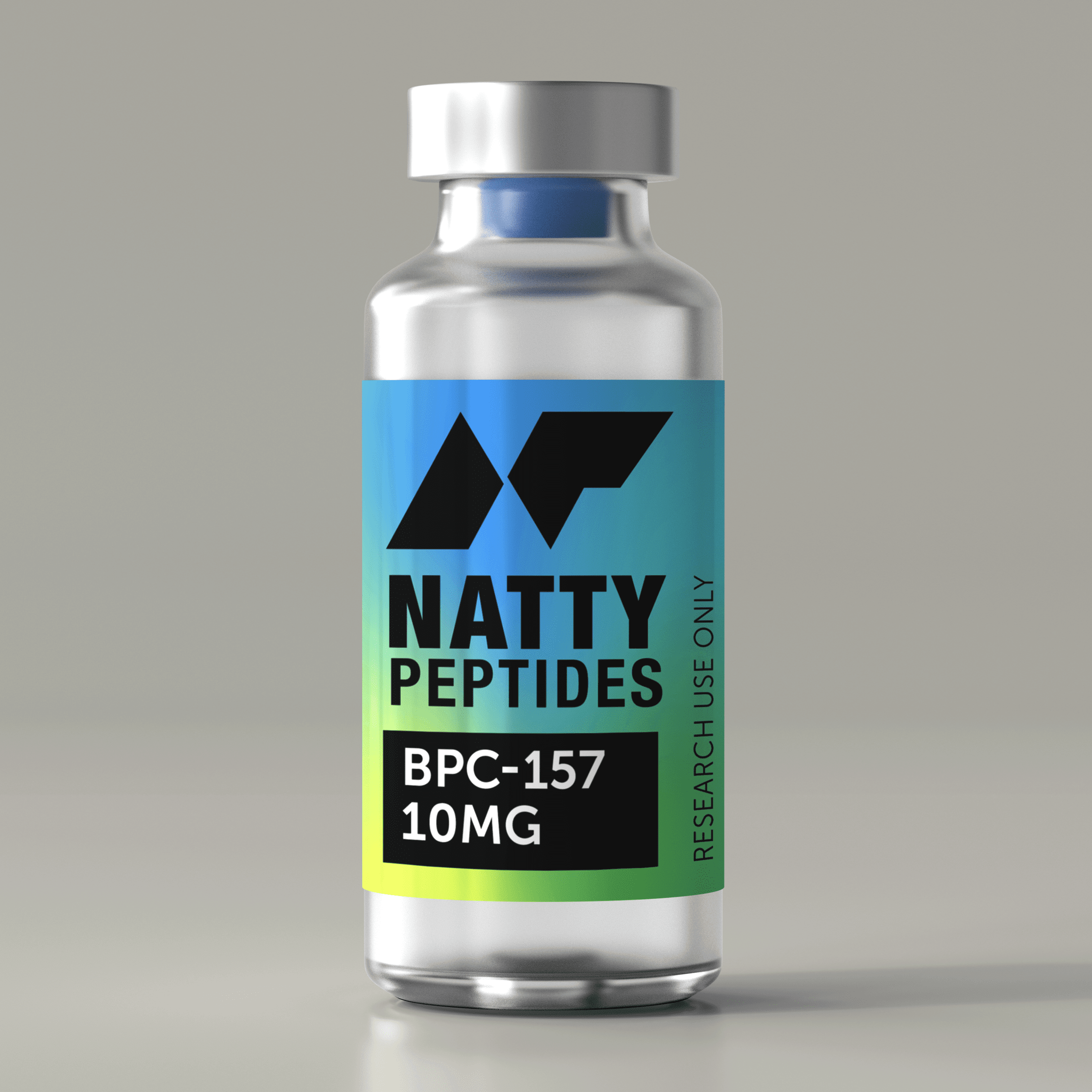
BPC-157 (Body Protection Compound-157) is a synthetic 15-amino-acid peptide derived from a protective protein found in human gastric juice. It is one of the most extensively studied peptides in tissue repair, gastrointestinal health, and wound healing research. Its remarkable stability, resistance to enzymatic degradation, and multi-pathway mechanisms make it a unique research tool. Understanding its distinct origins and mechanisms provides important context for researchers.
The History & Origins
BPC-157 was first characterized in the 1990s by researchers led by Predrag Sikiric at the University of Zagreb in Croatia . It is a partial sequence of the naturally occurring gastric juice protein BPC, which was discovered in 1990 and found to play a protective role in the gastrointestinal tract . The “BPC” acronym stands for “Body Protection Compound,” reflecting its discovery as a peptide with cytoprotective properties in the digestive system. Interestingly, this sequence has been found to be completely conserved in different mammalian species . BPC-157 has been the subject of numerous preclinical studies and animal models, including rodent and primate studies .
How It Works: Distinct Mechanisms
BPC-157 operates through multiple biological pathways that make it valuable for gastrointestinal, tendon, and tissue repair research.
Angiogenesis and Vascular Signaling
-
Upregulates VEGF expression — BPC-157 has been shown to promote angiogenesis (new blood vessel formation) by upregulating the expression of vascular endothelial growth factor (VEGF) .
-
Modulates nitric oxide (NO) signaling — It influences nitric oxide synthase activity, affecting vascular tone and tissue perfusion, which is essential for delivering oxygen and nutrients to healing tissues .
Anti-Inflammatory Effects
-
Inhibits pro-inflammatory cytokines — BPC-157 exhibits anti-inflammatory properties by modulating the production of pro-inflammatory cytokines, including TNF-α, IL-1β, and IL-6, while increasing IL-10 levels .
-
Regulates NF-κB pathway — It modulates the NF-κB signaling pathway, a master regulator of inflammatory responses .
Collagen Synthesis and Extracellular Matrix Remodeling
-
Promotes collagen production — BPC-157 enhances collagen synthesis, which is critical for the structural integrity of connective tissues .
-
Modulates matrix remodeling — It influences the activity of matrix metalloproteinases (MMPs) and collagenases, regulating the balance between matrix synthesis and degradation .
Growth Hormone Receptor Interactions
-
Modulates GHR expression — Recent research has identified a potential interaction between BPC-157 and growth hormone receptors (GHRs), suggesting a novel mechanism for its regenerative effects .
Gastrointestinal and Mucosal Protection
-
Cytoprotective properties — As a derivative of a gastric juice protein, BPC-157 has been studied extensively for its ability to protect and heal the gastrointestinal mucosa .
-
Maintains gut barrier integrity — It helps preserve the integrity of the intestinal epithelial barrier, which is crucial for preventing translocation of pathogens and maintaining immune homeostasis .
The Synergistic Potential
BPC-157 is widely studied in combination with other peptides, particularly TB-500, to leverage complementary mechanisms for tissue repair research . The synergy in these research combinations is based on their distinct yet complementary effects:
-
BPC-157 is associated with localized tissue environments—tendon and ligament structures, gastrointestinal tissue, and muscle-tendon junctions—focusing on vascular signaling, GHR interactions, and localized repair .
-
TB-500 is associated with systemic effects—influencing cytoskeletal behavior, cell migration dynamics, and structural remodeling across multiple tissues .
Together, they represent a multi-pathway approach to tissue repair research<span class=”>: BPC-157 addressing vascular signaling and localized repair, while TB-500 addresses cellular movement and systemic structural organization .