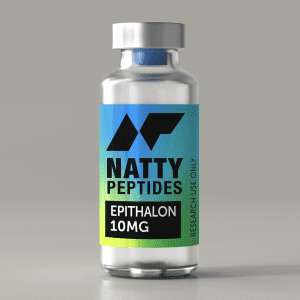
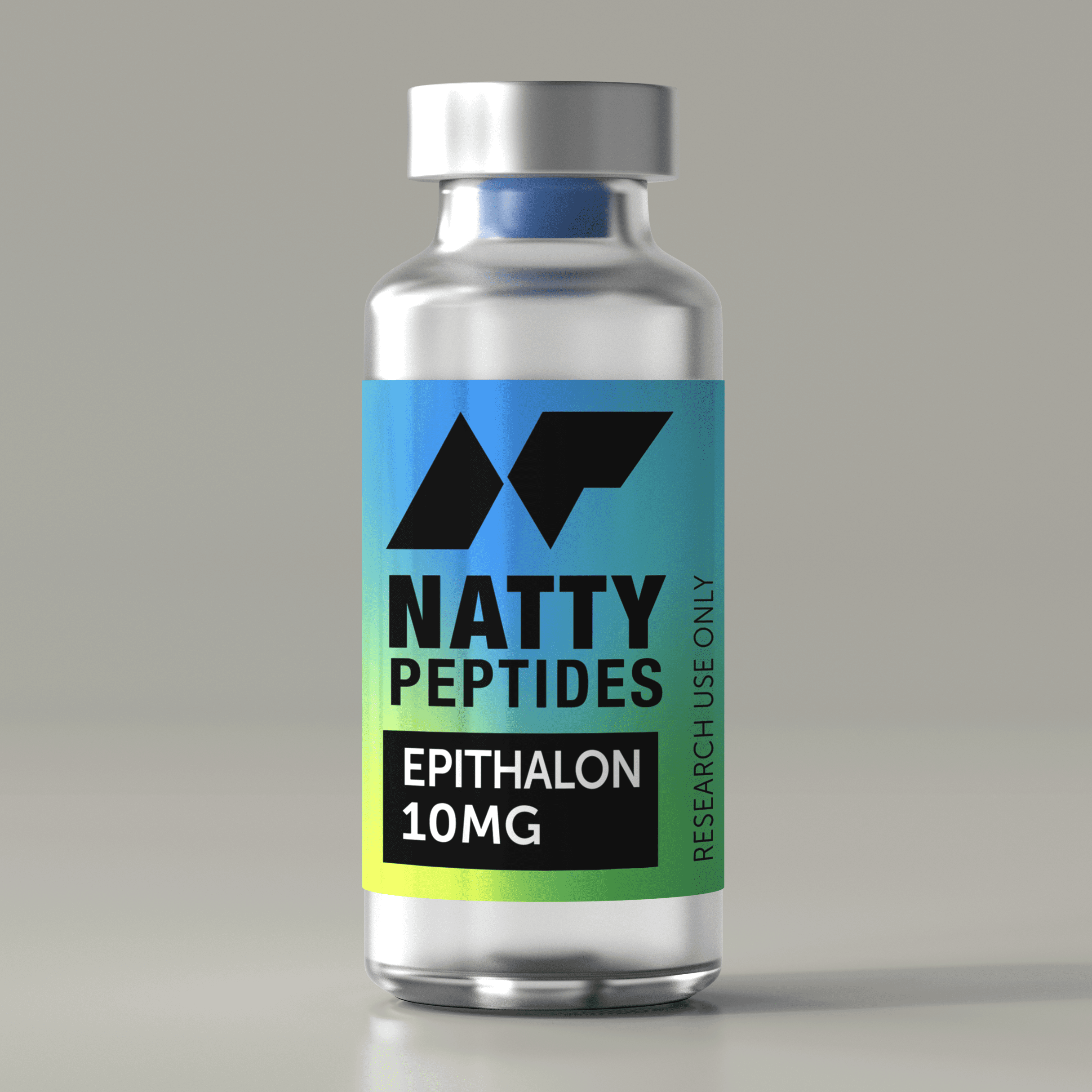
Epithalon

£39.95

Our peptides are to be used for research only.

RESEARCH FOCUS AREAS

  • Age & Wellness: Studied for telomerase activation and cellular longevity.
  • Cognitive Health: Investigated for circadian rhythm and neuroprotective potential.
  • Cellular Protection: Explored for antioxidant and DNA maintenance effects.

Availability: 10 in stock

- +

What is Epithalon?
Think of Epithalon as a tiny, natural signal for your body’s internal clock. It’s a very short chain of four amino acids (making it a “tetrapeptide”) that is found naturally in the pineal gland. Its primary researched role is to help regulate the production of telomerase, an enzyme linked to cellular aging and longevity.

The Main Benefits Researchers Look At:

  • Cellular Aging & Longevity: Epithalon is most famous for its potential effect on telomeres. Telomeres are like the protective plastic tips on your shoelaces, but for your chromosomes. As cells divide, these telomeres get shorter. Research focuses on Epithalon’s ability to potentially activate telomerase, which helps maintain these protective tips, possibly supporting cellular health and lifespan.

  • Sleep & Rhythm Regulation: Because it comes from the pineal gland (which makes melatonin), researchers study its role in helping regulate sleep-wake cycles and other daily bodily rhythms that can become less precise with age.

  • Antioxidant Support: Studies look at its potential to help protect cells from oxidative stress, a type of damage that accumulates over time.

  • Overall Vitality: The overarching research interest is whether supporting telomere health and circadian rhythms can contribute to a healthier, more functional lifespan.

How Researchers Might Use It (Subcutaneous Injection with Bac Water):
Just like with other research peptides, Epithalon is typically studied using subcutaneous injection after being mixed with bacteriostatic water (bac water).

Here’s a simple step-by-step of how a study might be set up:

  1. Mixing: The researcher takes a vial of Epithalon (a lyophilized, or freeze-dried, powder) and injects a precise amount of sterile bac water into it. They swirl gently until the powder is fully dissolved, creating a clear solution ready for use.

  2. Injecting: Using a small, fine insulin-type syringe, a measured dose of the solution is injected just under the skin (into the subcutaneous fat layer, often in the abdomen or thigh). This is a shallow, relatively simple injection technique.

Why This Method?

  • Direct and Efficient: Injecting it under the skin allows Epithalon to enter the bloodstream steadily without being destroyed by the digestive system. This ensures the full, intact peptide is available for the body to use.

  • Slow, Sustained Release: The subcutaneous fat layer acts like a small depot, releasing the peptide slowly over time. This mimics a more natural, prolonged signaling effect, which is ideal for studying long-term processes like aging and rhythm regulation.

  • Precision and Control: Researchers can control the exact dose and timing of administration. This precision is critical for collecting reliable data on its effects and establishing clear cause-and-effect relationships.

The Goal of the Research:
The primary aim of studying Epithalon this way is to understand its mechanism and potential. Researchers aren’t looking for immediate changes, but rather subtle, long-term effects on biological markers. They might track changes in telomere length in blood cells, monitor improvements in sleep cycle consistency in aged models, or observe overall markers of health and vitality over an extended period.

In simple terms: By mixing Epithalon with bac water and using a simple under-the-skin injection, researchers have a controlled and effective way to study whether this natural “clock regulator” peptide can send signals to the body that support healthier cellular aging and improved daily rhythms.

Epithalon (also known as Epitalon) is a synthetic tetrapeptide derived from Epithalamin, a natural substance produced in the pineal gland. It has been widely researched for its role in cellular longevity and telomerase activation — an enzyme linked to DNA protection and ageing. Studies suggest Epithalon may support healthy cell function, antioxidant activity, and circadian rhythm regulation. Researchers are particularly interested in its potential to delay age-related cellular damage and improve physiological resilience. Additional investigations have explored its influence on melatonin production and sleep regulation, positioning Epithalon as a key focus in anti-ageing and wellness research.

View Epithalon Certificate of Analysis

Shopping Basket
EpithalonEpithalon
£39.95

Availability: 10 in stock

- +