View TB-500 Certificate of Analysis
The Wolverine Stack: BPC-157 & TB-500 Together
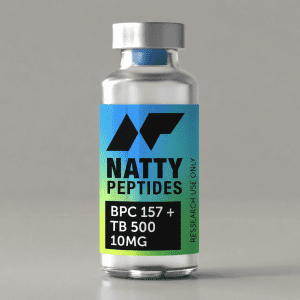
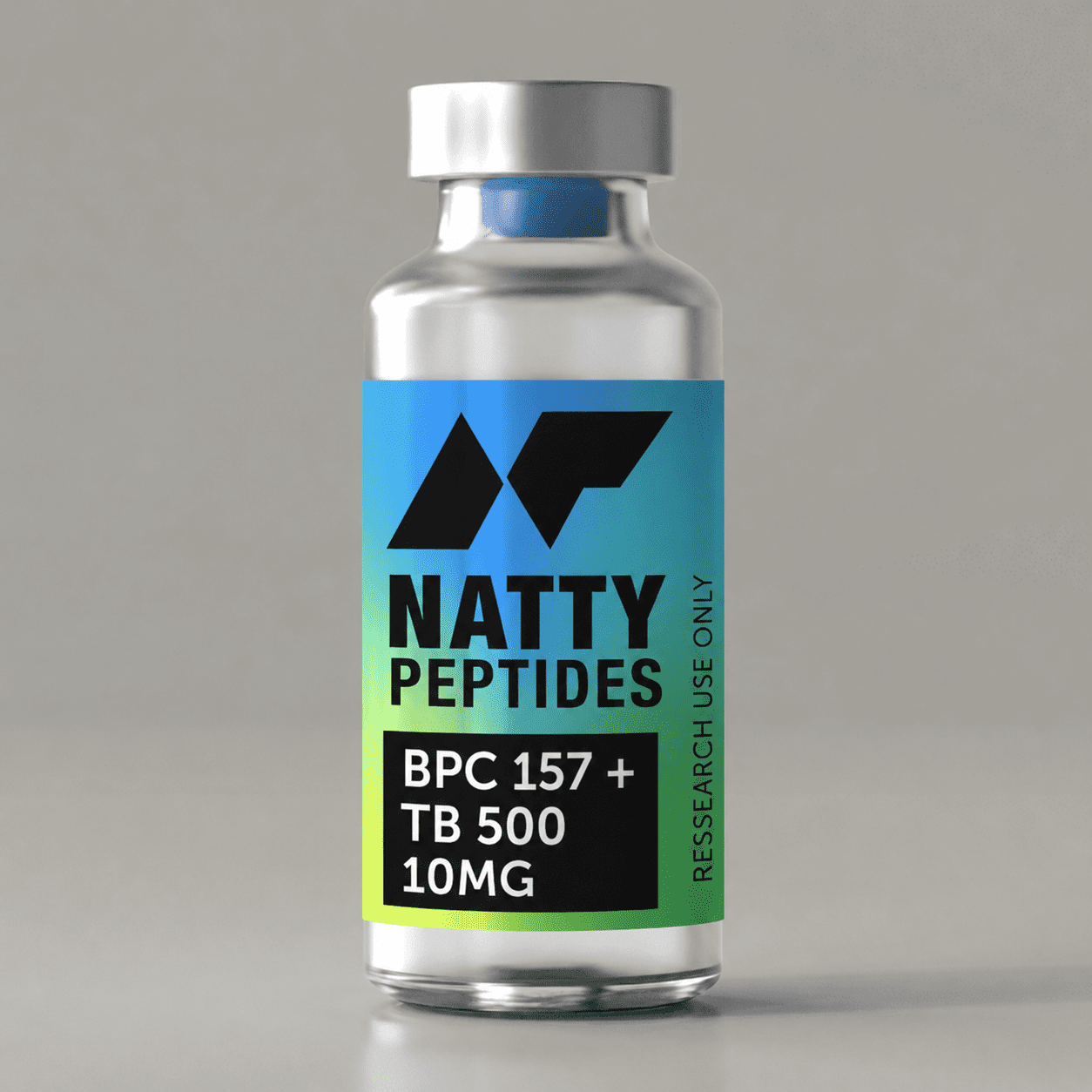
The combination of BPC-157 and TB-500—often referred to as the Wolverine Stack—has gained significant attention in peptide research for its complementary mechanisms in tissue repair and recovery . This blend brings together two of the most extensively studied regenerative peptides in a single, convenient formulation.
BPC-157 (Body Protection Compound-157) is a synthetic pentadecapeptide derived from a protective protein found in the gastrointestinal system. Research has demonstrated its potential to accelerate healing in tendons, ligaments, muscles, bones, and even gut tissue through multiple pathways .
TB-500 is a synthetic analog of Thymosin Beta-4, a naturally occurring peptide involved in cellular repair, migration, and angiogenesis. Unlike more localized peptides, TB-500 offers broader systemic support, making it particularly valuable for multi-tissue injuries and recovery protocols .
BPC-157 and TB-500 tissue repair research
Mechanisms of Action
BPC-157 – The Localized Repair Specialist
BPC-157 works through several well-documented mechanisms:
-
Angiogenesis: Stimulates the formation of new blood vessels (VEGFR2 pathway), delivering oxygen and nutrients directly to injured tissues
-
Fibroblast Activation: Promotes collagen production and fibroblast migration to injury sites
-
Inflammation Modulation: Helps regulate inflammatory signaling, shifting the body from inflammation to healing
-
Growth Factor Upregulation: Enhances receptor sensitivity to growth factors involved in tissue repair
Preclinical studies have shown BPC-157 promotes healing of skin, mucosa, cornea, muscle, tendon, ligament, and bone in animal models .
TB-500 – The Systemic Regeneration Agent
TB-500 operates through distinct but complementary pathways:
-
Cell Migration: Promotes actin dynamics and cellular motility, enabling repair cells to reach damaged areas
-
Systemic Anti-Inflammatory Action: Reduces inflammation across multiple tissue types through immune modulation
-
Angiogenesis: Upregulates VEGF signaling to support vascularization of injured tissue
-
Tissue Remodeling: Supports extracellular matrix organization and collagen alignment
A recent 2026 rat model study published in Jt Dis Relat Surg found that TB-500 significantly improved biomechanical strength in healing Achilles tendons, with both peptides demonstrating enhanced histopathological parameters and improved collagen organization compared to controls .
Why Combine BPC-157 and TB-500?
Researchers choose to combine these peptides because their mechanisms are complementary rather than redundant :
| Mechanism | BPC-157 | TB-500 |
|---|---|---|
| Primary Action | Localized, targeted healing | Systemic, broad tissue support |
| Tissue Types | Tendons, ligaments, muscles, gut | Muscle, fascia, connective tissue, heart, skin |
| Angiogenesis | VEGFR2 pathway | VEGF upregulation |
| Inflammation Control | Local modulation | Systemic anti-inflammatory |
This complementary action is why the combination has become a research standard for injury recovery protocols, post-surgical healing models, and tissue regeneration studies .
Potential Research Applications
Based on current scientific literature, the BPC-157 + TB-500 blend is being investigated for:
-
Tendon & Ligament Repair: Both peptides showed improved histopathological scores and collagen organization in healing tendons
-
Muscle Recovery: Supporting repair of muscle tears, strains, and overuse injuries
-
Joint Health: Reducing inflammation and supporting cartilage health
-
Gut Barrier Support: BPC-157 specifically has shown promise in gastrointestinal tissue repair
-
Surgical Recovery: Supporting post-operative healing protocols
-
Flexibility & Range of Motion: TB-500 associated with improved mobility in tissue stiffness models